
Councilmember Weyer Visits VMAC
February 10, 2026
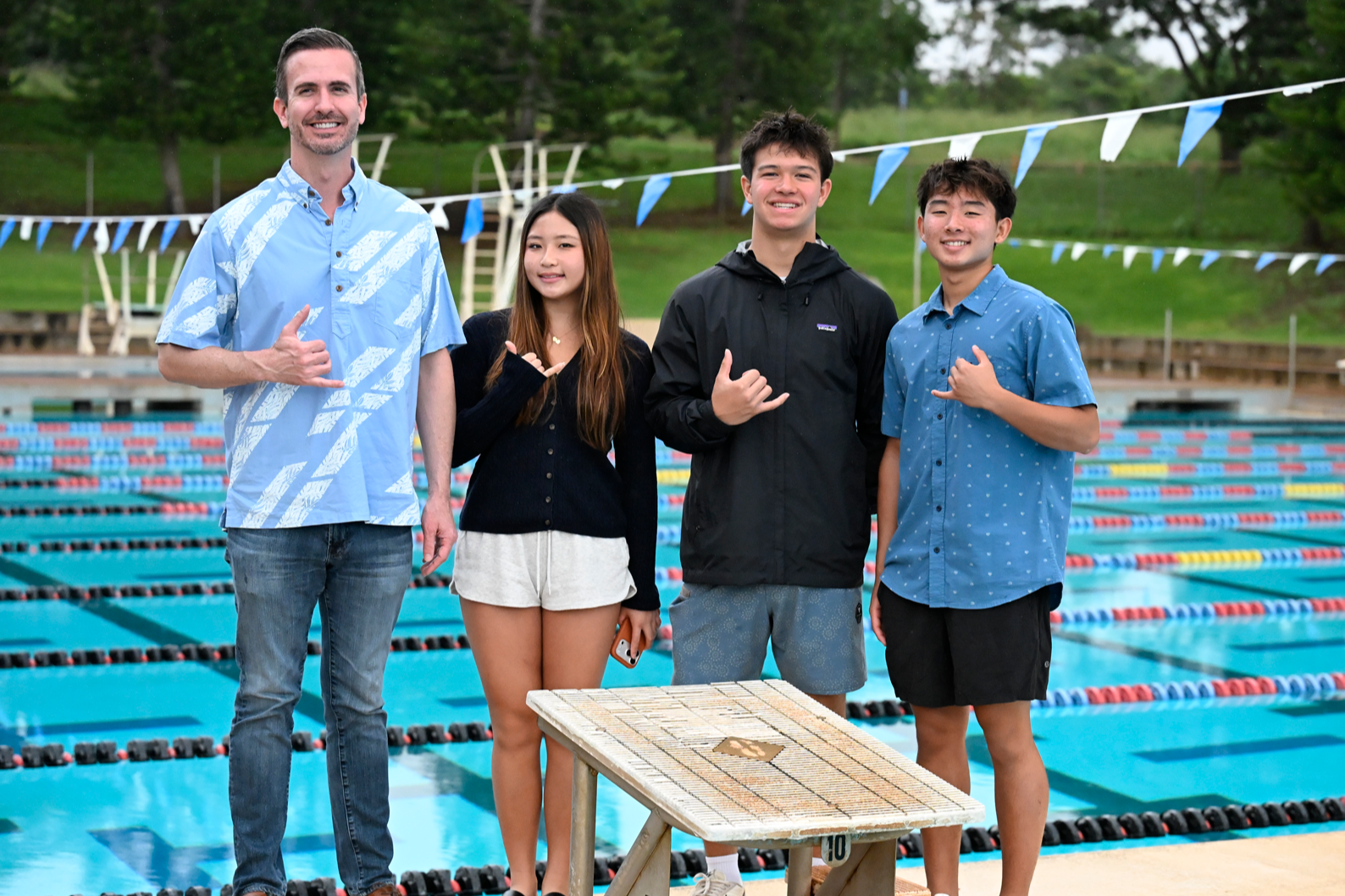
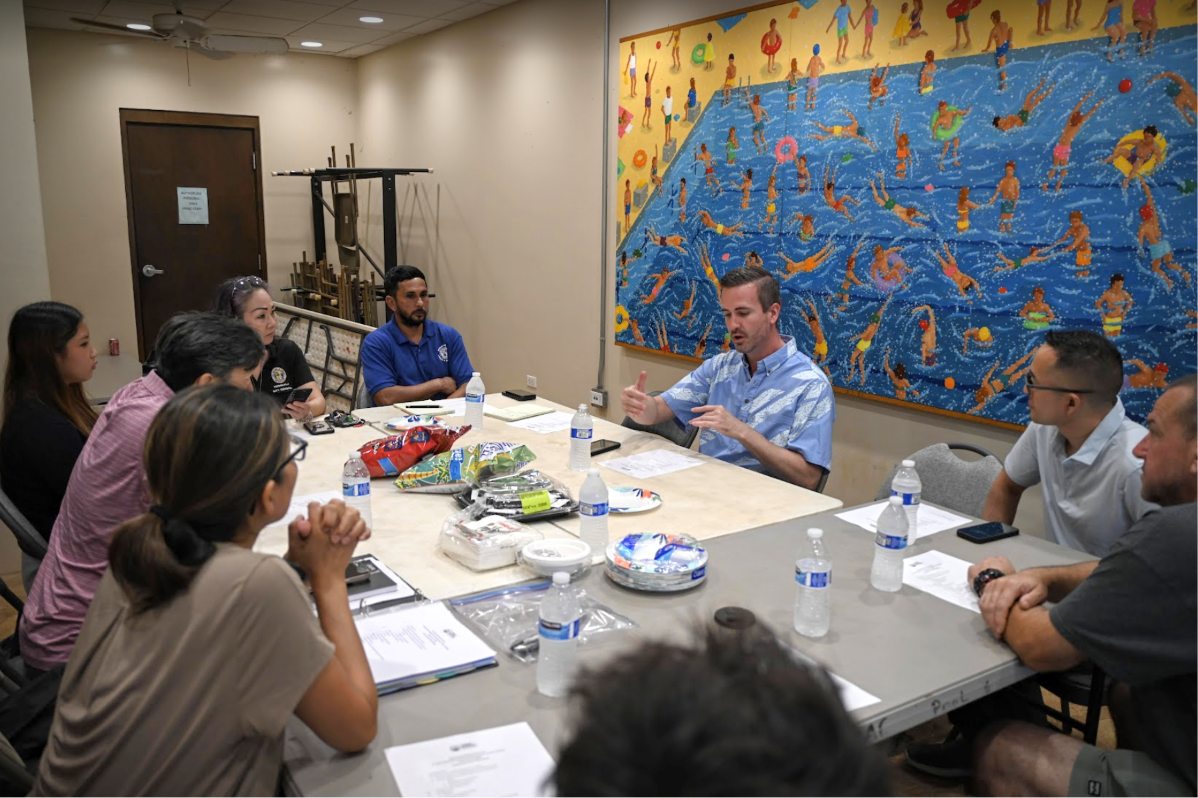
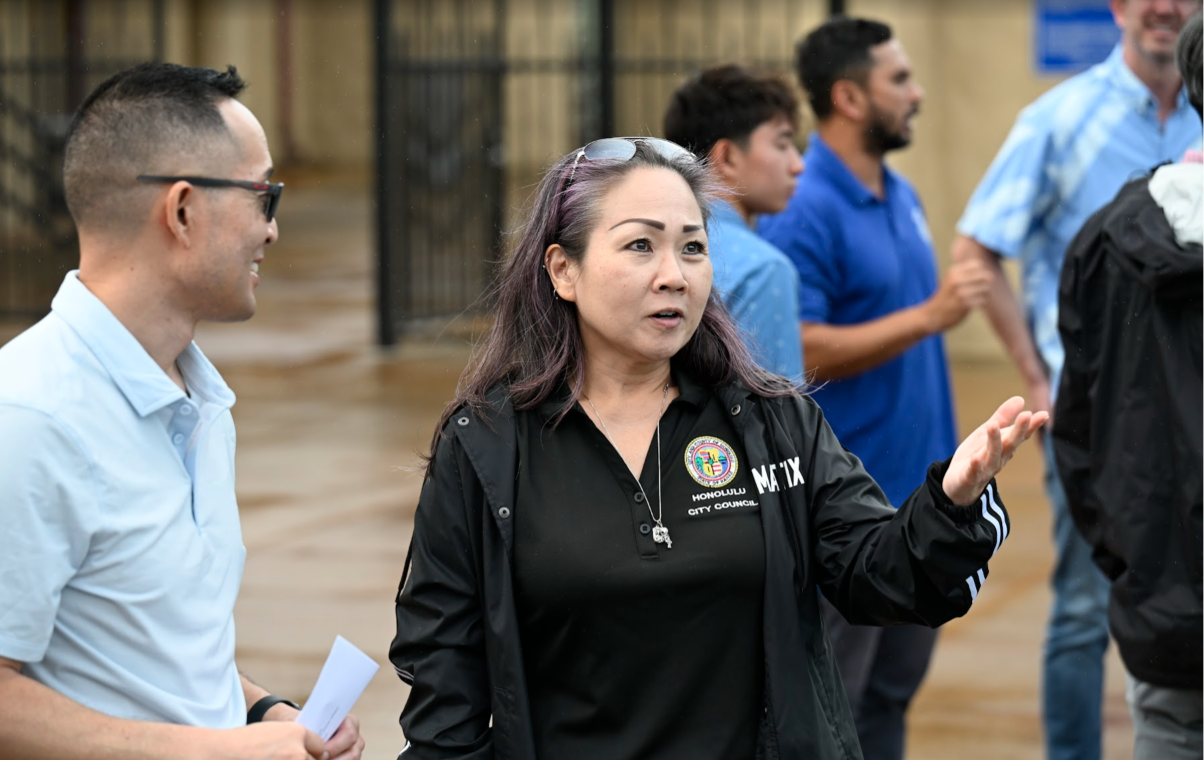
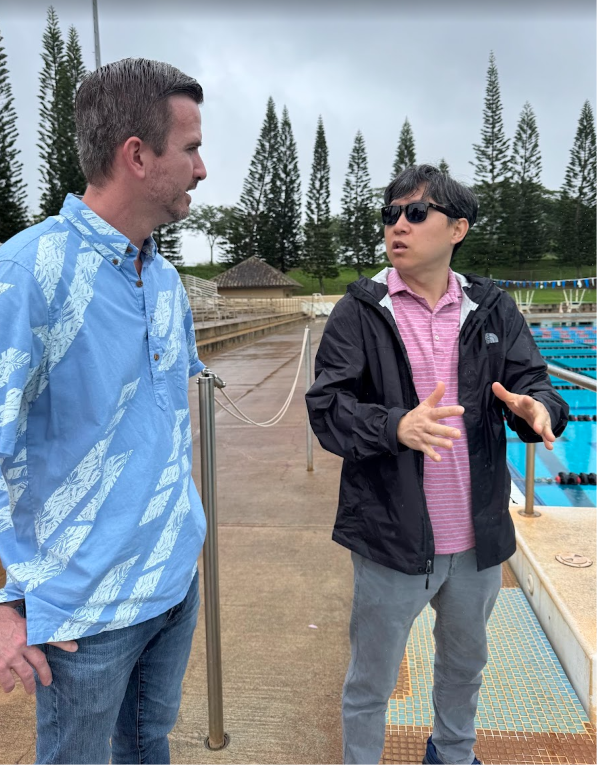
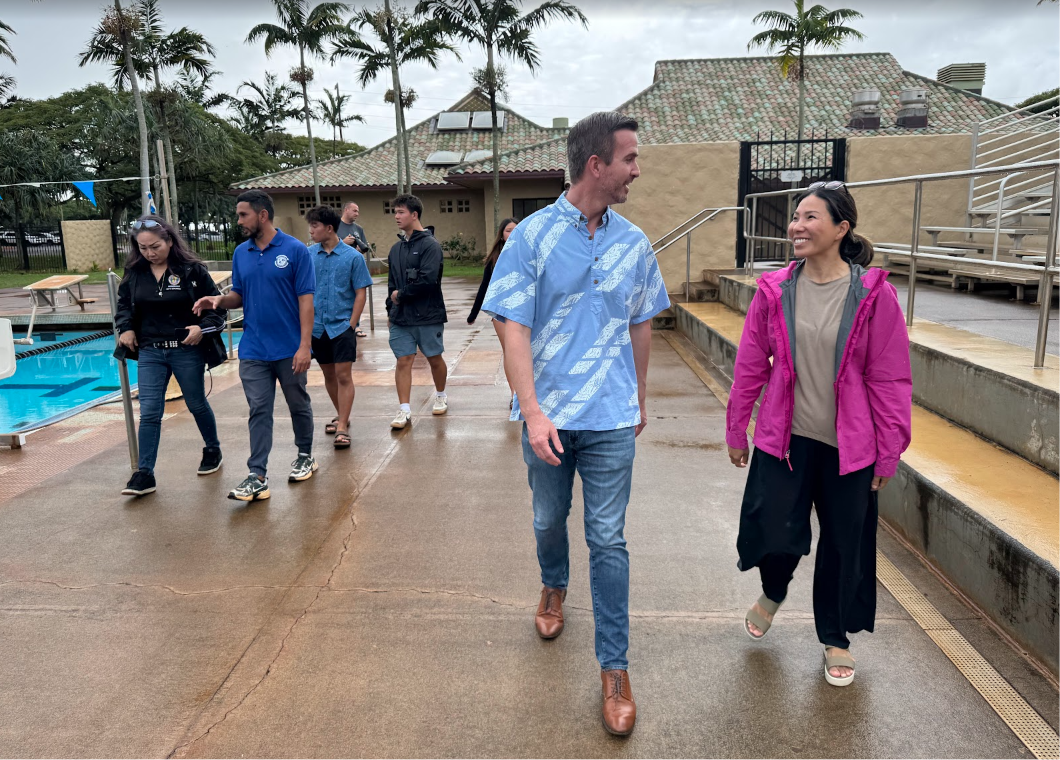
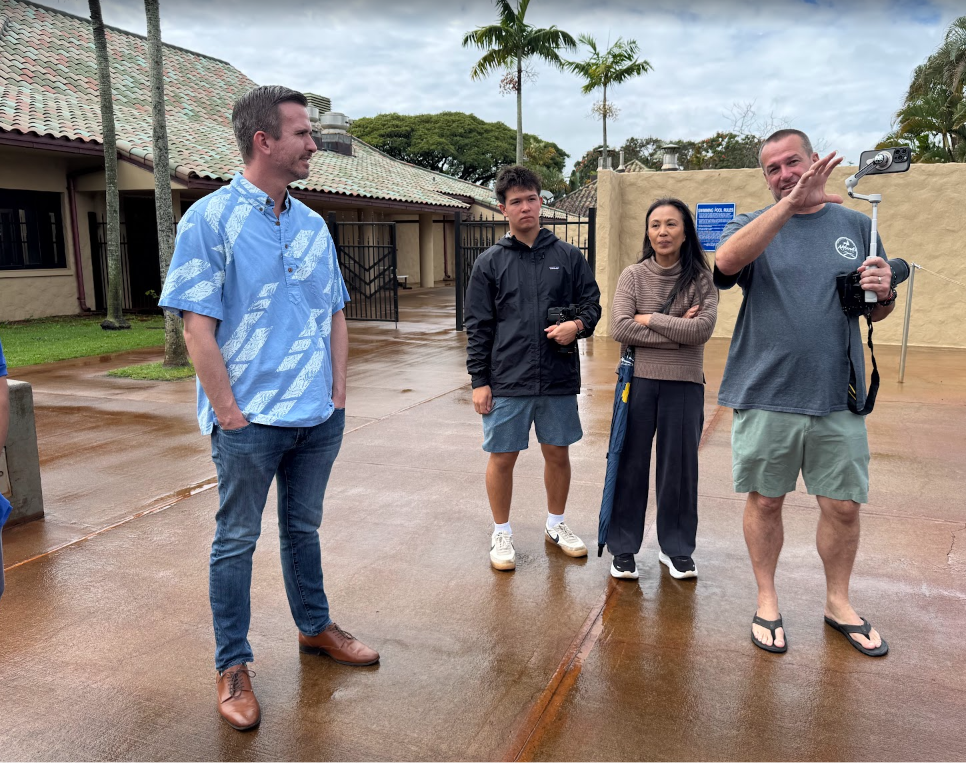
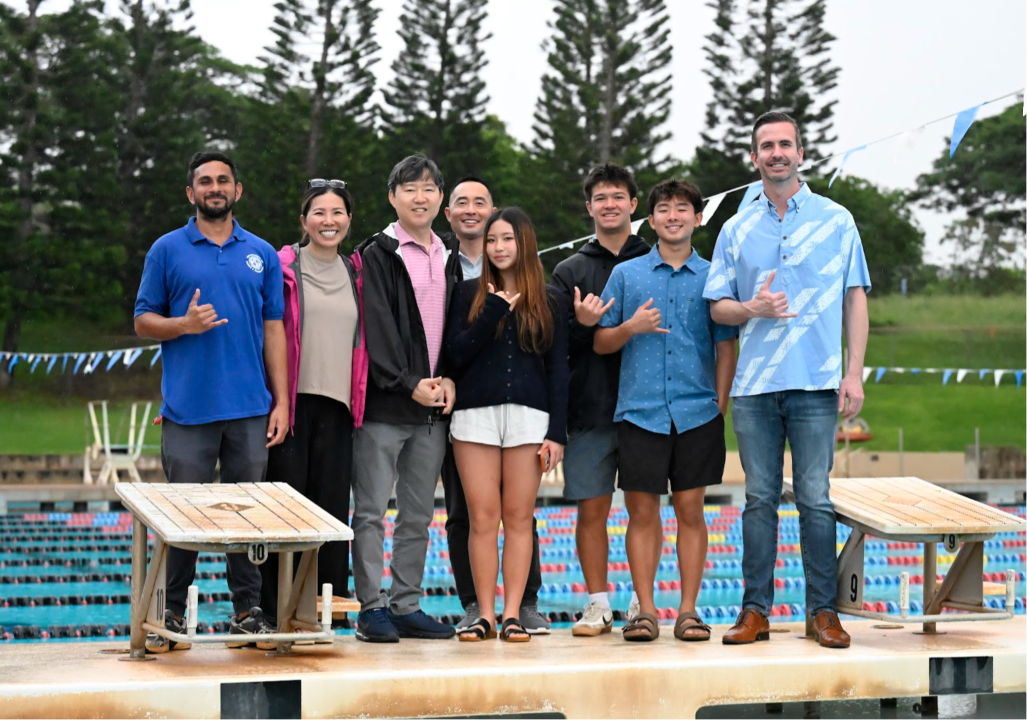
On February 10, 2026, District 2 City Councilmember Matt Weyer accepted an invitation from the VMAC Renewal Foundation to visit the K. Mark Takai Veterans’ Memorial Aquatic Center and see the facility’s growing needs firsthand.
The meeting took place during a day of heavy rain, and a power outage left much of VMAC in darkness when we arrived. Rather than postpone, we began our conversation as planned, meeting in the dimly lit facility until the lights eventually came back on.
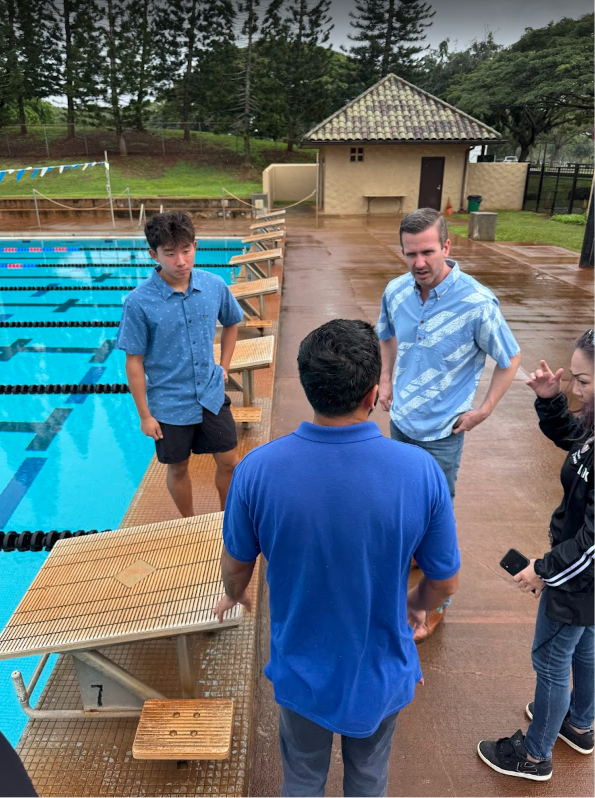
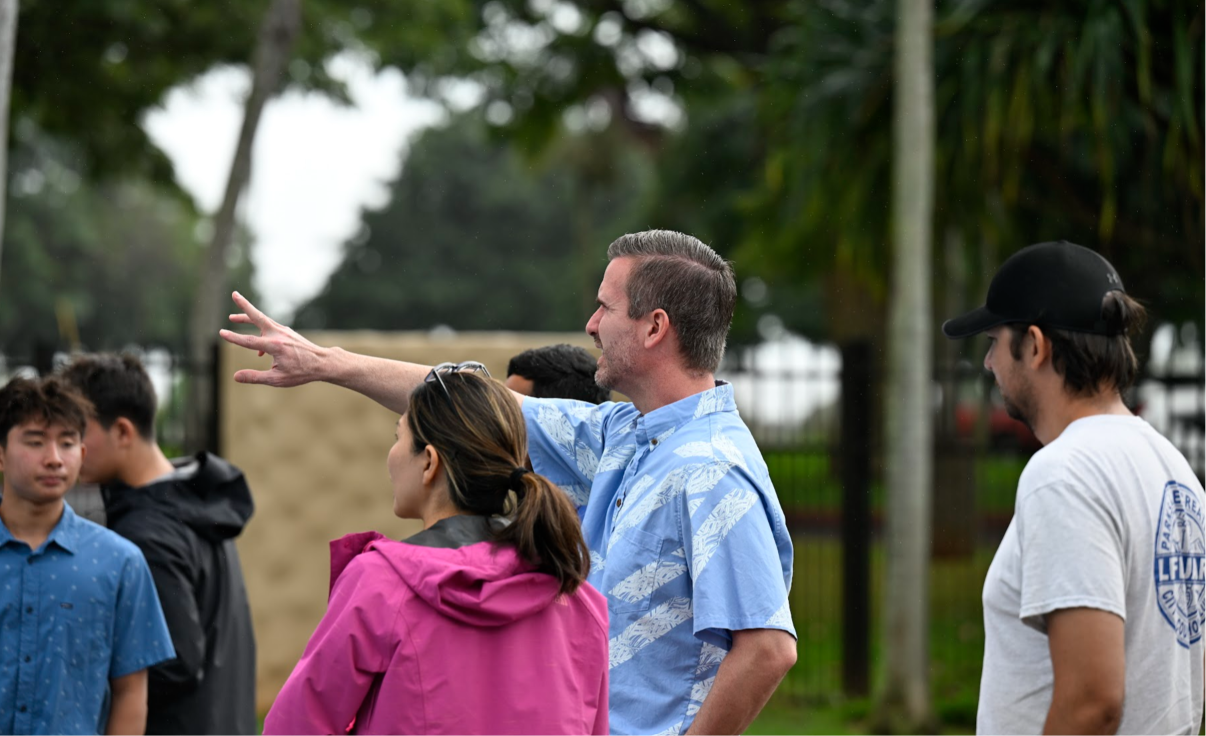
Councilmember Weyer then joined Cole, Kacey, Noah, members of the Foundation, and leaders from VMAC and Central Oʻahu Regional Park for a walkthrough of the facility. Their participation as representatives of the Department of Parks and Recreation helped provide important context about VMAC’s daily operations, maintenance demands, and long-term challenges.
Cole, Kacey, and Noah shared their experiences using the facility and helped guide the group through many of its most pressing concerns. Together, we examined the aging bulkhead, starting blocks, scoreboard, and bleachers, along with the surrounding landscaping, persistent red dirt, and poor drainage.
The visit showed how closely connected many of VMAC’s problems have become. Heavy rain and inadequate drainage carry red dirt onto the pool deck and into the facility, affecting equipment, bathrooms, locker rooms, and the overall experience of those who use and maintain the aquatic center.
VMAC serves far more than competitive swimmers. It is used by athletes from multiple aquatic disciplines, kūpuna, families, recreational swimmers, first responders, fire rescue personnel, and many other members of the community. Improvements to the facility would therefore benefit not only local teams and competitions, but the broader community that depends on VMAC for recreation, fitness, training, public safety, and connection.
The walkthrough gave Councilmember Weyer the opportunity to hear directly from young athletes, facility leaders, and community advocates while seeing the conditions firsthand. It also helped demonstrate that VMAC’s needs are not confined to one piece of aging equipment. They are part of a larger challenge requiring thoughtful planning, sustained investment, and cooperation between government and the community.
For the Foundation, his willingness to accept the invitation and spend time walking the facility marked an important step forward. It brought together those who use VMAC, those who operate it, and an elected leader positioned to help shape its future.
